


How to Transition Your Dog to a Cleaner, Healthier Treat Routine
- Zach

- May 5
- 3 min read
How to Transition Your Dog to a Cleaner, Healthier Treat Routine
Figuring out how to transition your dog to healthier treats sounds like it should be simple, and in most cases it actually is. Dogs are generally far more adaptable than owners expect, especially when the new treat is made from real food that smells and tastes better than what they were getting before. That said, there are a few things worth knowing before you make the switch, particularly if your dog has a sensitive stomach or is set in their routines.

Why Most Treat Transitions Are Easier Than People Expect
The digestive sensitivity that requires careful food transitions, the two to three week slow introduction that applies to switching kibble brands, does not apply in the same way to treats. Treats are a much smaller volume of food, which means the digestive impact of introducing something new is proportionally smaller too.
The exception is dogs with genuinely sensitive stomachs or known digestive conditions. For those dogs, a gradual introduction is still a good idea. For the average healthy dog, switching treats is not the same level of undertaking as switching their primary food.
Introducing New Dog Treats Gradually: When It Matters
If your dog has a sensitive stomach, the approach is simple. Start with two or three small pieces on the first day and watch for any reaction over the next 12 to 24 hours. Loose stools, vomiting, or unusual lethargy are signs to slow down. In the absence of those signs, you can increase to normal treat amounts over the following few days.
For dogs coming off highly processed commercial treats with a lot of additives and filler ingredients, some very mild digestive adjustment in the first few days is occasionally normal, not because the new treat is problematic but because the digestive system is adjusting to processing something genuinely different. This typically resolves quickly. Our post on the best treats for sensitive stomachs goes deeper on what to watch for if digestive sensitivity is an ongoing concern.
Moving From Commercial to Natural Dog Treats: What Changes
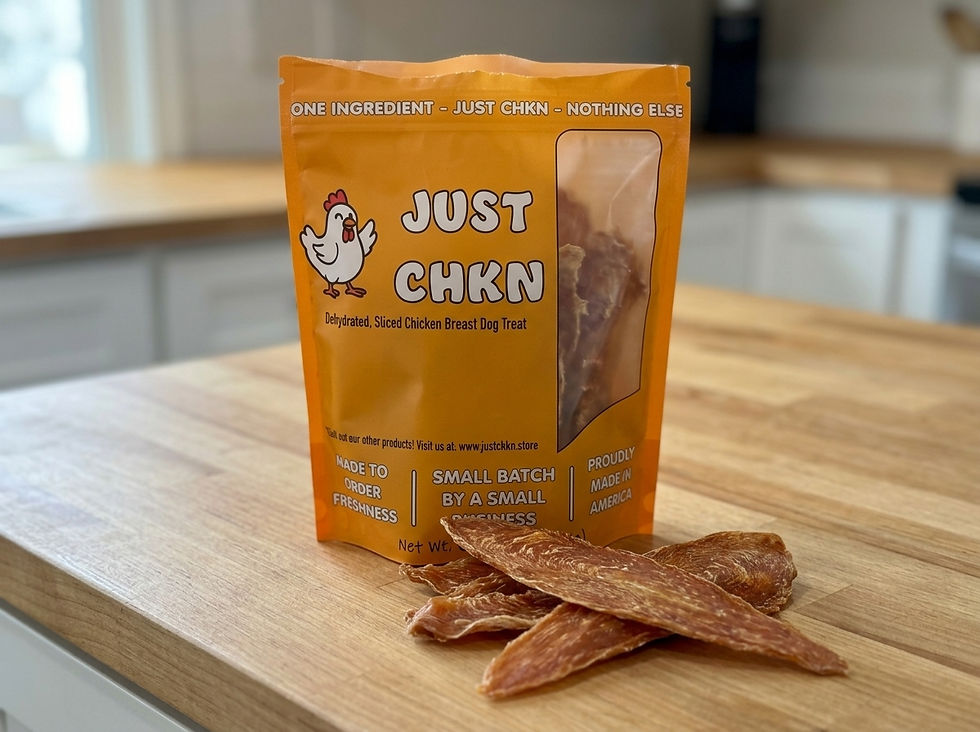
The most noticeable difference when you switch from a heavily processed commercial treat to something like JUST CHKN is usually your dog's reaction, not their digestion.
Dogs who have been eating artificially flavored treats often respond to a real meat treat with noticeably more enthusiasm. The scent profile of a genuinely single-ingredient dehydrated chicken treat is significantly more intense and compelling than the artificial chicken flavoring used in most commercial products. For picky dogs especially, this is often the first treat they actually get excited about.
The other thing that changes is your own treat-giving habits. When you know exactly what is in a treat and feel confident about it, you tend to be more intentional about using it. Treats that are clean and purposeful feel different to give than treats you were mildly uncertain about.
How to Get Your Dog Used to Single Ingredient Treats
Some dogs, particularly those who have been on the same treat for a long time, need a brief adjustment period before fully committing to a new option. This is less about digestion and more about expectation. A dog that has been getting a specific flavor and texture for months may take a day or two to decide the new thing is worth equal enthusiasm.
The approach that works best is to introduce the new treat in a context where your dog is already motivated, during a training session, before a walk, or at a moment when they tend to be engaged and food-oriented. Pairing the first introduction with an activity that puts them in a receptive mindset tends to produce a faster and more enthusiastic adoption.
In our experience with Oatmeal and Alfredo, and based on what customers consistently report, the enthusiasm for JUST CHKN tends to be immediate rather than gradual. The real meat smell does most of the convincing before the dog ever takes a bite.



Comments